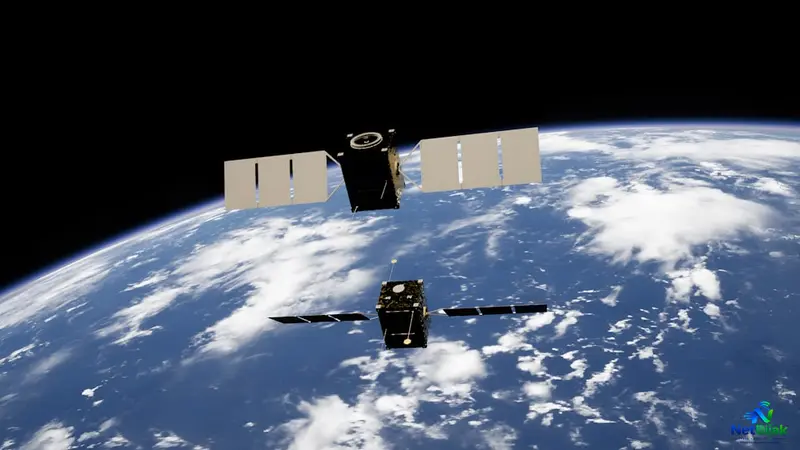
Starlink × Malaysian Telcos: Could Satellite-to-Phone Technology Change Mobile Coverage in Malaysia?
The Malaysian government is exploring a potential trial of Starlink’s Direct-to-Cell technology to expand mobile connectivity across the country. Unlike standard Starlink service, this technology aims to connect existing 4G LTE smartphones directly to satellites without the need for a bulky dish or specialized hardware. Rather than replacing local mobile operators, the initiative proposes a partnership where satellites act as a supplementary layer to extend coverage into remote areas, highways, and offshore locations where traditional towers are not economically viable. While this could significantly improve connectivity in underserved regions, officials clarify that the project is currently in the discussion and trial phase. Users should manage their expectations, as the service is intended for basic communications like messaging and voice calls rather than high-speed 5G performance. Ultimately, the technology serves as a bridge for areas lacking terrestrial infrastructure rather than a replacement for urban mobile networks.
Malaysia's mobile network could be getting a new type of coverage layer — one that comes from space instead of a traditional telecommunications tower.
On 30 July 2026, Communications Minister Datuk Seri Fahmi Fadzil said Starlink plans to conduct a trial of its Direct-to-Device (D2D), also known as Direct-to-Cell (D2C), technology in Malaysia.
The technology could provide connectivity directly to compatible mobile phones via satellite in areas where traditional mobile towers are unavailable or difficult to justify economically. The Malaysian Communications and Multimedia Commission (MCMC) has also been asked to invite local telcos to explore opportunities with Starlink. (The Edge Malaysia)
However, it is important to understand what this announcement actually means.
Malaysia is not launching nationwide Starlink satellite-to-phone service yet.
At this stage, the technology is being discussed and proposed for a trial.
What Is Starlink Direct-to-Cell?
Most people know Starlink as a satellite broadband service that uses a dedicated antenna or dish.
Direct-to-Cell is different.
Instead of:
Phone → Wi-Fi → Starlink Dish → Satellite
the concept is closer to:
Phone → Starlink Satellite → Mobile Network
The satellite effectively acts as a cellular base station in space.
According to SoyaCincau, Starlink's Direct-to-Cell technology is designed to work with existing 4G LTE smartphones without requiring a dedicated satellite phone or Starlink dish. (SoyaCincau)
This is what makes the technology particularly interesting for mobile coverage.
Does Direct-to-Cell Mean You Can Use Starlink Without a Telco?
Not necessarily.
In fact, the proposed Malaysian model is more interesting because it could involve Starlink working together with local telecommunications operators.
The Malaysian government has asked MCMC to invite telcos to meet with Starlink and explore opportunities to deploy the technology. (The Edge Malaysia
The idea is not necessarily:
Starlink vs Maxis / CelcomDigi / U Mobile
It could instead become:
Starlink + Telco
The satellite would provide an additional coverage layer while the telco continues to operate its mobile network.
SoyaCincau describes the technology as effectively extending a mobile operator's network from space, with the satellite connecting back to the operator's network. (SoyaCincau
Why Would Malaysian Telcos Need Satellite Coverage?
Malaysia already has extensive 4G and 5G infrastructure.
So why would satellites be necessary?
The biggest issue is geography and economics.
Building a conventional mobile tower involves:
- Land
- Tower construction
- Power
- Backhaul
- Network equipment
- Maintenance
- Ongoing operational costs
In densely populated areas, this investment can make sense.
But imagine a remote area with only a small number of residents.
A telco might need to spend a significant amount of money to serve relatively few customers.
Fahmi said a new telecommunications tower can typically take around 18 to 24 months to complete. He described D2D as potentially faster and more cost-effective in areas where building a tower is not economically viable. (The Edge Malaysia
This is where satellite connectivity could become useful.
Where Could Starlink Direct-to-Cell Be Useful?
The technology could potentially be useful in places such as:
Rural Areas
Villages and settlements where building a tower is difficult or uneconomical.
Highways
Some stretches of highways may have weaker mobile coverage because of geography and the cost of building additional infrastructure.
Sabah and Sarawak
Large and geographically challenging areas could potentially benefit from another way of extending coverage.
Offshore Areas
Satellite connectivity could potentially provide communication coverage where terrestrial infrastructure is unavailable.
Emergency Situations
Satellite connectivity could become particularly useful if terrestrial infrastructure is damaged during floods, landslides or other disasters.
SoyaCincau notes that the technology is intended primarily as a complementary coverage layer, particularly for rural areas, highways and offshore locations. (SoyaCincau
Do You Need a Starlink Dish?
This is one of the biggest differences between traditional Starlink broadband and Direct-to-Cell.
Traditional Starlink Broadband
You generally need:
Starlink antenna/dish + router + power
The dish communicates with the Starlink satellites.
Direct-to-Cell
The objective is different.
A compatible mobile phone can communicate directly with a Starlink satellite, without requiring a dedicated Starlink dish or satellite phone. (SoyaCincau
That means the consumer experience could potentially feel much more like using a normal mobile network.
Can Any Smartphone Connect to Starlink?
Not necessarily.
The technology is designed around compatible cellular devices, particularly existing 4G LTE phones, but actual availability will depend on the final technical implementation, participating telco, spectrum arrangements, device compatibility and regulatory approvals.
SoyaCincau reports that the proposed service could work with existing 4G LTE smartphones and existing SIM cards, rather than requiring specialised satellite phones. (SoyaCincau
So consumers should not assume that every existing phone will automatically receive satellite coverage once the Malaysian trial begins.
Will Satellite-to-Phone Be as Fast as 5G?
Probably not.
This is another important point.
Direct-to-Cell is primarily designed to extend connectivity into areas where terrestrial coverage is unavailable, rather than replace high-capacity urban 4G or 5G networks.
SoyaCincau notes that users should not expect the same speeds and latency as conventional terrestrial mobile networks. Initial use cases can include messaging, voice calls, emergency communications and limited mobile data. (SoyaCincau
So the comparison is not necessarily:
5G Tower vs Starlink
A more realistic comparison is:
No mobile coverage vs some form of satellite-assisted mobile connectivity
That is a very different proposition.
You May Need a Clear View of the Sky
Satellite connectivity has an obvious physical limitation:
The phone needs a usable path towards the sky.
Because the satellite is hundreds of kilometres above Earth, obstacles can affect the connection.
SoyaCincau notes that Direct-to-Cell is expected to work best with a relatively clear view of the sky and is primarily suited to outdoor environments such as rural areas, highways and offshore locations. (SoyaCincau
This means satellite-to-phone connectivity should not be viewed as a perfect replacement for indoor mobile coverage.
Could Starlink Replace Mobile Towers?
Not likely — at least not based on the current proposed use case.
The more realistic scenario is that Starlink becomes an additional layer of network coverage.
Think of it this way:
Urban Areas
Fibre + 4G + 5G
↓
Suburban Areas
4G + 5G + Fibre
↓
Remote Areas
4G/5G + Satellite Coverage
This could allow telcos to maintain conventional infrastructure where it makes economic sense while using satellite connectivity in harder-to-reach locations.
SoyaCincau specifically describes Direct-to-Cell as complementary to existing 4G and 5G networks rather than a replacement. (SoyaCincau
Malaysia Is Not the First Country to Explore This
The technology is already moving beyond the experimental stage in some markets.
In February 2026, Globe Telecom in the Philippines announced an agreement with Starlink to launch Direct-to-Cell services, making it the first Southeast Asian telco to offer the service.
Globe said standard LTE mobile phones could access data, voice and messaging directly through satellites, provided they have a clear view of the sky. (Utusan Malaysia / PR Newswire
This provides Malaysia with an example of how a Starlink + Telco model could potentially work.
However, Malaysia's own implementation may differ depending on local regulations, spectrum arrangements and commercial decisions.
What Could This Mean for Malaysian Consumers?
If the technology eventually becomes commercially available, consumers in areas with weak mobile coverage could potentially benefit from:
Better coverage
Especially in remote and underserved locations.
Fewer mobile dead zones
Certain highways, rural areas and offshore locations could potentially gain additional coverage.
Emergency connectivity
Satellite connectivity could provide another communication option when conventional infrastructure is unavailable or damaged.
Less dependence on new towers in certain locations
Telcos may be able to use satellites where building new infrastructure is difficult or uneconomical.
But there are also unanswered questions.
Consumers will eventually want to know:
- Which telcos will participate?
- Which mobile plans will support it?
- Will there be an additional charge?
- Which phones will be compatible?
- What speeds will be available?
- Will voice calls and SMS be supported?
- How reliable will the service be?
- Will it work indoors?
- Which areas will receive coverage?
None of these should be assumed yet.
Malaysia is currently at the trial/exploration stage.
NetBijak's Take
Starlink's proposed Direct-to-Cell trial is interesting not because it means Malaysians will suddenly stop using conventional mobile networks.
The more important possibility is that satellite connectivity could become another layer of Malaysia's telecommunications infrastructure.
For urban users with strong 4G, 5G and fibre coverage, there may be little reason to replace their existing connection.
But for someone travelling through a remote area where:
No mobile tower = No signal
the possibility of connecting directly to a satellite could be much more meaningful.
We also think the Starlink × Telco model is more interesting than a simple “Starlink vs Telco” story.
Instead of competing for the same infrastructure, the two sides could potentially complement each other:
Telco provides the mobile network and customer relationship.
Starlink provides additional coverage from space.
However, this is still a proposed trial in Malaysia, not a nationwide commercial service.
So for now, consumers should not rush to change their mobile plan or buy Starlink hardware because of this announcement.
The important thing is to watch how the trial develops, which telcos participate, what devices are supported and what the eventual pricing and coverage look like.
If implemented effectively, satellite-to-phone technology could become another tool helping Malaysia close some of its remaining mobile coverage gaps.
Frequently Asked Questions
Starlink Direct-to-Cell is a satellite technology designed to allow compatible mobile phones to connect directly to Starlink satellites without requiring a traditional satellite phone or Starlink dish.
No. As of August 2026, Malaysia is discussing and preparing for a trial. It is not yet a nationwide commercial mobile service.
No, the technology is designed to connect compatible cellular phones directly to satellites. A dedicated Starlink dish is used for Starlink's traditional satellite broadband service, which is a different product.
Not necessarily. The proposed model involves Starlink exploring opportunities with local telcos. The technology is generally positioned as a complementary coverage layer rather than a replacement for conventional mobile networks.
The technology is designed to support compatible 4G LTE phones, but the exact devices, plans and technical requirements for Malaysia have not yet been finalised.
Users should not assume so. The primary value is extending connectivity into areas where terrestrial mobile coverage is unavailable, rather than matching the capacity of urban 5G networks.
Not necessarily. Satellite-to-phone connectivity generally benefits from a clear view of the sky, so indoor performance may be more limited than conventional terrestrial mobile coverage.
At this stage, the government has asked MCMC to invite local telcos to explore the technology with Starlink. Specific commercial partnerships for Malaysia have not yet been confirmed.
Related Articles
 Article
Maxis has upgraded its nationwide optical transport network using Nokia’s 1830 PSS and PSE-6 optical...
 News
NewsEG Industries Reports Record FY2026 PerformanceEG Industries recorded RM1.43 billion in revenue for ...
 News
NewsMelaka Plans to Phase Out Microwave Telecommunications LinksMelaka is moving towards a more fibre-ba...
 News
NewsSource: Unifi / TM official announcementThis article covers TM’s ongoing copper broadband phase-out ...
 News
NewsMore mobile towers can improve coverage, but they do not guarantee that the network will stay online...
 News
NewsMore than 5,000 people gathering inside one venue can expose a networking problem that a normal home...