
Maxis Upgrades Its Fibre Backbone to 1.2Tbps: Will Your Internet Get Faster?
Maxis has upgraded its national optical network to a 1.2Tbps per channel capacity using new technology from Nokia. While this headline figure is impressive, it represents backbone infrastructure capacity rather than an increase in individual home broadband speeds. Think of the upgrade as widening a major highway; it provides more headroom for the network to manage heavy traffic and support high-demand services like cloud computing and AI. Your personal internet speed remains strictly governed by the specific subscription plan you have chosen. Improvements to your daily experience are more likely to come from optimizing your home router, using Ethernet cables, or selecting the correct Wi-Fi band. Ultimately, these infrastructure investments serve to future-proof the network for the entire country rather than providing an immediate performance boost to individual households.
Maxis has upgraded its nationwide optical transport network using Nokia’s 1830 PSS and PSE-6 optical technology, reaching transmission capacity of up to 1.2Tbps per channel.
While "1.2Tbps" sounds astonishingly fast, it is important to understand what this metric actually represents before expecting an automatic speed boost on your home Wi-Fi.
What Does 1.2Tbps Actually Mean?
1.2Tbps equals 1,200Gbps (or 1,200,000Mbps) of raw network transmission capacity.
However, this is a measure of backbone infrastructure capacity, not consumer subscription speed. Think of internet architecture as a transport system:
- Optical Backbone (1.2Tbps): A multi-lane interstate highway carrying massive volumes of traffic between cities, data centres, and international gateways.
- Your Fibre Connection (e.g., 300Mbps): The dedicated connection between your home and the ISP’s access network.
Widen the multi-lane highway, and the network has more capacity to handle traffic—but your subscribed broadband speed remains determined by your plan.
Backbone Capacity vs. Home Broadband Speed
| Network Feature/Maxis Optical BackboneYour / Home Fibre Connection | ||
| Role | Connects major network nodes, data centres, and gateways | Connects your premises to the ISP access network |
| Technology | Nokia 1830 PSS, C+L Band optical transport | Optical access network |
| Capacity | Up to 1.2Tbps per channel | Determined by your subscribed plan |
| User Impact | Provides greater network headroom | Determines your specific broadband speed |
Will Your Maxis Home Fibre Become Faster?
Not automatically. Your download and upload speeds remain governed by the broadband tier you subscribe to.
However, expanding backbone capacity provides important structural benefits:
- Better Peak-Hour Capacity: More network headroom to handle heavy traffic during high-usage periods.
- Better Support for Cloud Services: Greater transport capacity for data centre interconnections, enterprise workloads, and cloud-hosted applications.
- Future-Proofing: More capacity to accommodate continued growth in 5G, streaming, AI, and enterprise data traffic.
Why Is Maxis Upgrading Infrastructure Now?
The growth of artificial intelligence workloads, hyperscale cloud facilities, Data Centre Interconnects (DCI), and overall data traffic requires significantly higher optical transport capacity.
By expanding the usable optical spectrum with C+L band technology, Maxis can increase transmission capacity over its existing fibre infrastructure without necessarily deploying new physical fibre cables.
If Your Internet Is Slow Today
A backbone capacity constraint is rarely the first thing to investigate. Before blaming the ISP network, go through these basic checks:
- Test via Ethernet: Connect directly to your router via LAN cable to separate Wi-Fi issues from the actual fibre connection.
- Check Your Wi-Fi Band: 5GHz or 6GHz generally provides better performance than 2.4GHz under suitable conditions.
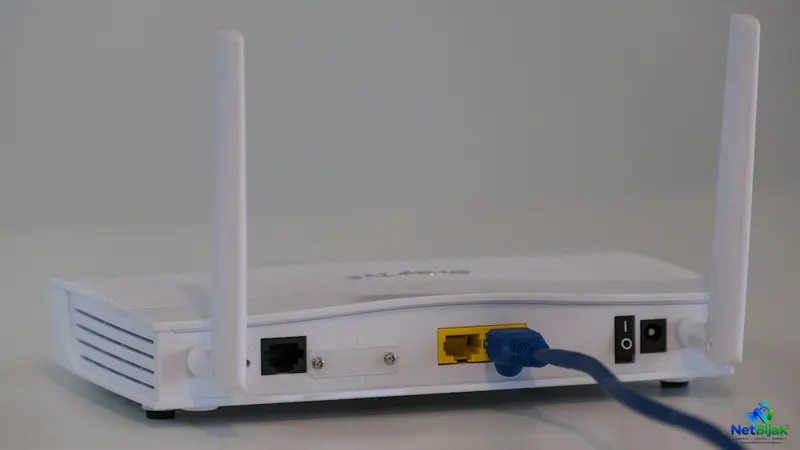
- Check Your Router: Older routers may struggle with multiple connected devices and heavy simultaneous traffic.
NetBijak’s Take
Don’t upgrade your home broadband plan or expect a sudden speed jump just because you see “1.2Tbps” in corporate news headlines.
Maxis expanding its backbone capacity gives its network more headroom to handle growing data traffic, peak-hour demand, and enterprise workloads. But for home users, real-world performance is still affected by your subscribed plan, router hardware, and local Wi-Fi environment.
Infrastructure upgrades build a wider highway—your broadband subscription still determines the speed of your car.
Frequently Asked Questions
No. 1.2Tbps refers to optical transport network capacity, not a residential broadband package.
Numerically yes—1.2Tbps is 1,200 times larger than 1Gbps. However, they refer to different network layers and should not be directly compared as consumer broadband speeds.
No. Your subscribed broadband speed does not automatically change because of the backbone upgrade.
No. A backbone upgrade does not automatically change the price of your existing broadband plan. Future pricing changes would depend on your plan terms and Maxis’ commercial offers.
Related Articles
 News
NewsEG Industries Reports Record FY2026 PerformanceEG Industries recorded RM1.43 billion in revenue for ...
 News
NewsMelaka Plans to Phase Out Microwave Telecommunications LinksMelaka is moving towards a more fibre-ba...
 News
NewsMalaysia's mobile network could be getting a new type of coverage layer — one that comes from space ...
 News
NewsSource: Unifi / TM official announcementThis article covers TM’s ongoing copper broadband phase-out ...
 Article
Your broadband works normally for an hour, then suddenly disconnects for a few seconds or minutes be...
 Article
Including fibre broadband in the rent can make a rental property easier to market. The problem start...