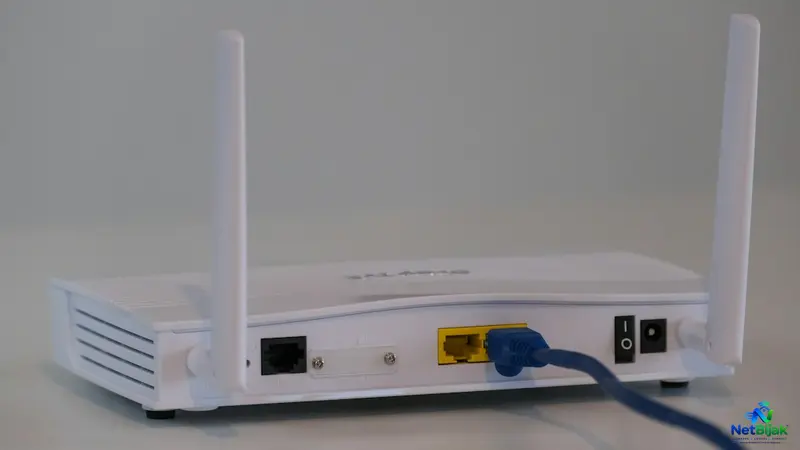
How Landlords Can Include Broadband in Rent Without Getting Stuck With the Bill
Including broadband in your rental property can attract tenants, but it requires careful planning to protect yourself from unpaid bills and damaged equipment. The primary decision is whether to keep the ISP account in your name or transfer it to the tenant. If the account remains under your name, you are legally responsible to the ISP, regardless of what your tenant pays you. Alternatively, transferring ownership to the tenant relieves you of billing issues but requires checking specific ISP transfer policies. Regardless of the chosen arrangement, it is vital to outline clear responsibilities for payment and equipment maintenance within your tenancy agreement. This proactive approach helps avoid legal headaches and ensures your fibre service remains protected.
Including fibre broadband in the rent can make a rental property easier to market. The problem starts when the tenant stops paying rent, damages the router, or leaves without clearing the broadband account.
The safest arrangement depends on whose name the broadband account is under.
Option 1: Broadband Stays Under the Landlord's Name
The landlord signs the fibre contract and includes the monthly broadband cost in the rent.
For example:
Rent: RM2,000 per month
Broadband: Included
Tenant pays: Electricity, water and other agreed charges
This is simple for the tenant, but the landlord remains the ISP's customer.
Maxis defines the customer as the person signing up for the service and states that the customer is responsible for the service charges. Non-payment can result in suspension or barring of the service. (Maxis Home Fibre T&C)
TIME's terms similarly state that the Customer must pay the charges stated in its invoices. (TIME General Terms)
That means a tenant saying, “I didn't pay the broadband bill” does not transfer the ISP debt to the tenant automatically when the account is still registered to the landlord.
The landlord can then have a separate claim against the tenant under the tenancy agreement, but the ISP relationship remains with the account holder.
When this arrangement makes sense
Keeping the account under the landlord's name can make sense for:
- Rooms or units marketed as “internet included”
- Short-term or frequently changing tenancies
- Properties where the landlord wants to control the broadband plan
But the tenancy agreement should make the broadband obligation very clear.
Option 2: Transfer the Broadband Account to the Tenant
The second approach is to let the tenant become the broadband account holder.
This separates the landlord from the monthly ISP billing.
Unifi permits transfer of Home Broadband account ownership subject to its applicable transfer conditions. (Unifi)
TIME currently provides an ownership-transfer process through Self Care, where the new account holder completes the verification. (TIME Home FAQ)
However, transfer rules can interact with an existing contract or promotion. For example, Maxis states that transfer of ownership during a contract period can trigger applicable device or early-termination charges under certain plans. (Maxis Fibre Relocation FAQ)
So don't promise a tenant that “the fibre can always be transferred” without checking the specific plan.
Which Is Safer for a Landlord?
| Arrangement | ISP bill owed by | Landlord's main risk |
| Landlord keeps account | Landlord | Tenant fails to reimburse landlord |
| Tenant takes over account | Tenant | Transfer restrictions, equipment and property issues |
| Broadband included in rent | Landlord | Landlord carries the ISP contract |
| Broadband excluded from rent | Tenant | Tenant arranges and pays own service |
The important distinction is:
Whoever signs the ISP contract should be treated as the party responsible to the ISP.
The tenancy agreement can determine who reimburses the other party, but it does not automatically rewrite the ISP contract.
What Happens When the Tenant Runs Away Without Paying?
This is where landlords often get caught.
Account in landlord's name
The ISP can continue billing the landlord because the landlord remains the customer.
The landlord may then seek recovery from the tenant under the tenancy agreement. Malaysian Bar guidance notes that a tenancy agreement is a contract and that landlords can include provisions dealing with amounts owed and deductions from deposits. (Malaysian Bar)
Account in tenant's name
The tenant remains responsible for the broadband account under the ISP contract.
But the landlord should still check what equipment is installed at the property and whether any broadband service remains active. Do not assume that the account disappearing means the tenancy-related broadband issue has automatically been resolved.
Put Broadband Rules in the Tenancy Agreement
“Internet included” is too vague.
A better tenancy agreement should state:
1. Who owns the broadband account
State whether the account is under the landlord or tenant.
2. Who pays the monthly charges
Do not rely on a verbal agreement.
3. What happens if the tenant stops paying
State whether the landlord can recover unpaid broadband amounts from the tenant, subject to the tenancy agreement and applicable law.
4. Equipment responsibility
Specify that the tenant must return the router, mesh units or other supplied equipment in reasonable condition, allowing for normal wear and tear.
This is important because ISP terms can make the subscriber responsible for damaged or unreturned equipment. Maxis, for example, states that damaged equipment beyond normal wear and tear may result in repair or replacement charges, while failure to return certain equipment can result in a non-return fee. (Maxis Home Fibre T&C)
Unifi's published residential terms have also required customers to maintain leased equipment and bear applicable costs where loss or damage is attributable to the customer's fault or negligence. (Unifi Home Broadband Terms)
5. No unauthorised alterations
The tenant should not move, modify or interfere with fibre equipment, ONT/BTU, router or installed cabling without permission.
6. Legal and acceptable use
State that the tenant must use the broadband service lawfully and comply with the ISP's applicable terms and policies.
A Practical Broadband Clause
A landlord can adapt a clause along these lines:
Broadband Service: Broadband service at the Premises is [included in / excluded from] the monthly rental. The broadband account shall be registered under [Landlord/Tenant]. Where the account is registered under the Landlord, the Tenant shall not cancel, suspend, transfer or modify the broadband service without the Landlord's written consent and shall reimburse the Landlord for any agreed broadband charges forming part of the tenancy arrangement.
Broadband Equipment: The Tenant shall keep all broadband equipment supplied or installed at the Premises, including router, ONT/BTU, mesh units and related equipment, in reasonable condition and shall be responsible for loss or damage caused by the Tenant, occupants or guests, excluding normal wear and tear.
Termination / Vacating: Upon expiry or termination of the tenancy, the Tenant shall cooperate with the Landlord in returning or transferring any broadband equipment and settling any broadband-related amounts payable under this Agreement.
Unauthorised Changes: The Tenant shall not relocate fibre termination equipment, alter permanent cabling, or arrange for termination, relocation or ownership transfer of the broadband service without the Landlord's prior written consent.
This is a practical drafting example, not a substitute for legal advice. Malaysian tenancy arrangements are largely governed by the parties' contractual terms, and there is no single comprehensive landlord-tenant statute covering every residential tenancy. (Malaysian Bar)
One More Rule: Do Not Give Tenants Your ISP Account Login
If the landlord keeps the broadband account, the tenant does not need unrestricted access to the ISP account.
Give the tenant the Wi-Fi credentials, not access to billing, ownership transfer, termination or personal account information.
The tenant should not be able to change the service, terminate the connection or alter account details without the landlord's approval.
NetBijak's Take
For a landlord who wants to advertise “fibre internet included”, keeping the account under the landlord's name gives better control but also leaves the landlord responsible to the ISP. Transferring the account to the tenant reduces the landlord's billing exposure, but the specific ISP plan must first be checked for transfer restrictions. Whichever structure you choose, put the broadband payment, equipment damage and termination rules directly into the tenancy agreement.
Frequently Asked Questions
There is no single arrangement that suits every rental. Keeping it under the landlord's name gives the landlord control but leaves the landlord responsible to the ISP. Putting it under the tenant's name shifts the ISP billing relationship to the tenant, subject to the ISP's transfer rules.
If the fibre account remains under your name, the ISP still treats you as the customer. Maxis and TIME's terms place payment obligations on the customer/account holder.
The tenancy agreement should expressly deal with how unpaid amounts and other permitted deductions are handled. Malaysian Bar guidance recognises that tenancy agreements can include provisions for deductions from deposits for amounts owed by the tenant.
This depends on the ISP and the specific plan. Unifi and TIME have ownership-transfer processes, but existing contracts, promotions and equipment arrangements can affect the transfer.
Start with the ISP's equipment terms and then apply the tenancy agreement. Maxis states that damage beyond normal wear and tear can result in repair or replacement charges to the customer. The tenancy agreement should separately state that the tenant is responsible for damage caused by the tenant, occupants or guests.
Yes. Define exactly what “included” means: the broadband plan provided, who owns the account, whether there is a fair-use limitation, who pays for upgrades or additional equipment, and what happens when the tenancy ends.
Do not assume that abandoning the property automatically ends the ISP contract. The account holder must follow the ISP's termination procedure, and early termination charges may apply during a contract period. Maxis, for example, states that early termination charges can apply within the commitment period.
Related Articles
 Article
You have terminated your broadband account, but the deposit has not come back.Do not assume the refu...
 Article
If your home is being renovated or your building is scheduled for demolition, do not simply stop pay...
 Article
Your 24-month broadband contract is ending. The Internet may continue normally while your promotiona...
 Article
Changing the name on a broadband account does not automatically mean that every existing contract, p...
 Article
If your ISP keeps closing support tickets without fixing the problem, stop relying on repeated calls...
 Article
Moving to a house without fibre coverage can turn a simple house move into an expensive contract pro...